The dry-stone terraces of Mallorca were built by hands no one recorded. Keeping them standing is a problem nobody has solved.
A technique old enough to be obvious
The logic is simple: a steep slope sheds rain, so you interrupt it. A wall of dry-laid stone — no mortar, no metal — holds a horizontal ledge of soil behind it, and the ledge holds a crop. Repeat up the hillside until you have a staircase of cultivation that would otherwise be a scree. The technique is old enough that its origins are genuinely unclear. Talayotic-period communities were already shaping this landscape in the Bronze Age, and by the time the medieval possessió, the large landed estate, was the dominant unit of production, dry-stone terracing was simply how farming on a slope was done.
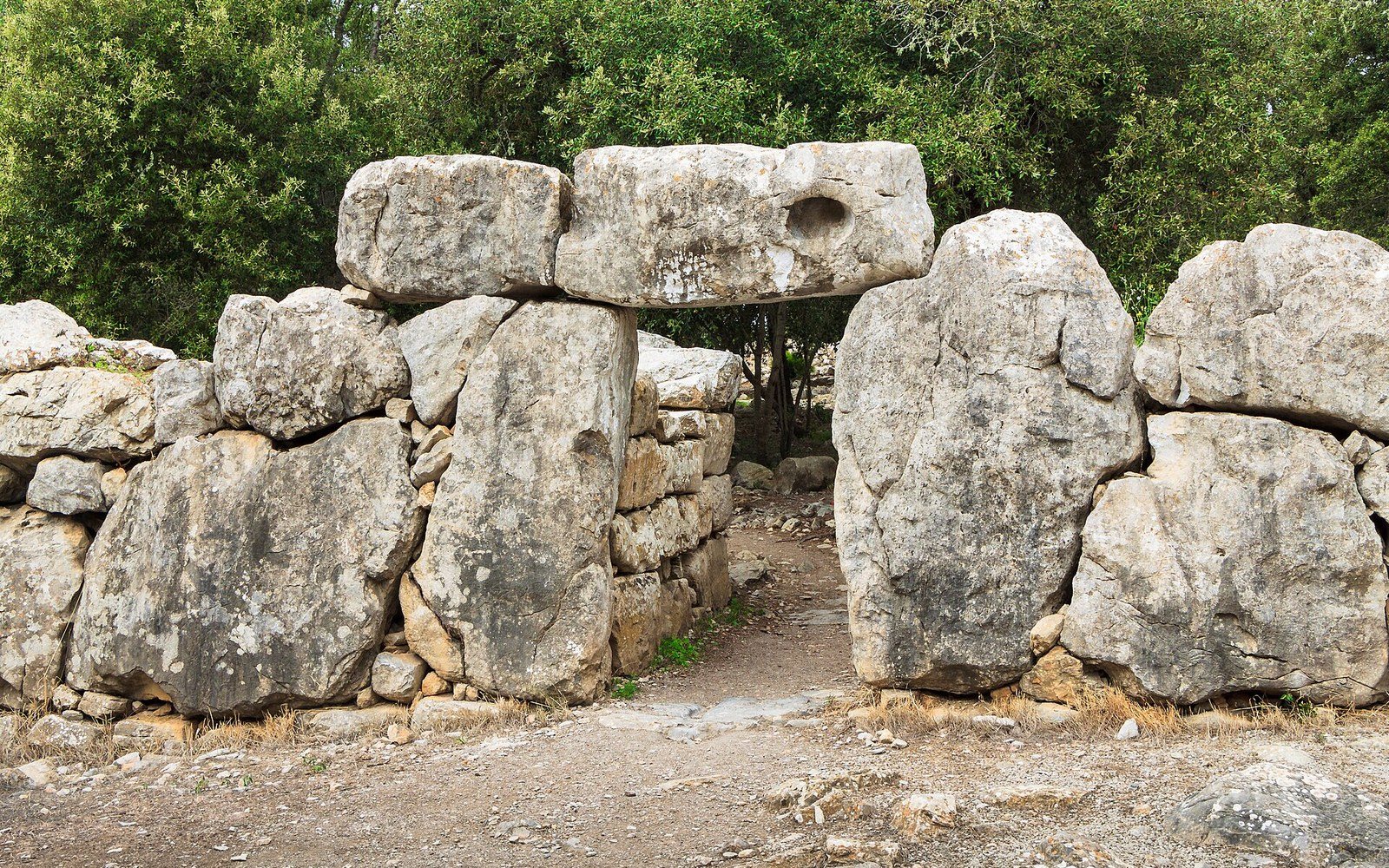
The Serra de Tramuntana is where the practice reached its most dramatic scale. The mountain range running along Mallorca's northwest coast carries thousands of kilometres of retaining walls — UNESCO listed the Serra de Tramuntana as a cultural landscape in 2011 ↗, specifically citing the terraced agricultural system as one of the defining features of that designation. The listing placed the terraces alongside the irrigation channels, the olive groves, and the architecture of the possessió as evidence of a coherent human relationship with difficult terrain. It was the walls, though, that made cultivation on forty-degree slopes possible at all.
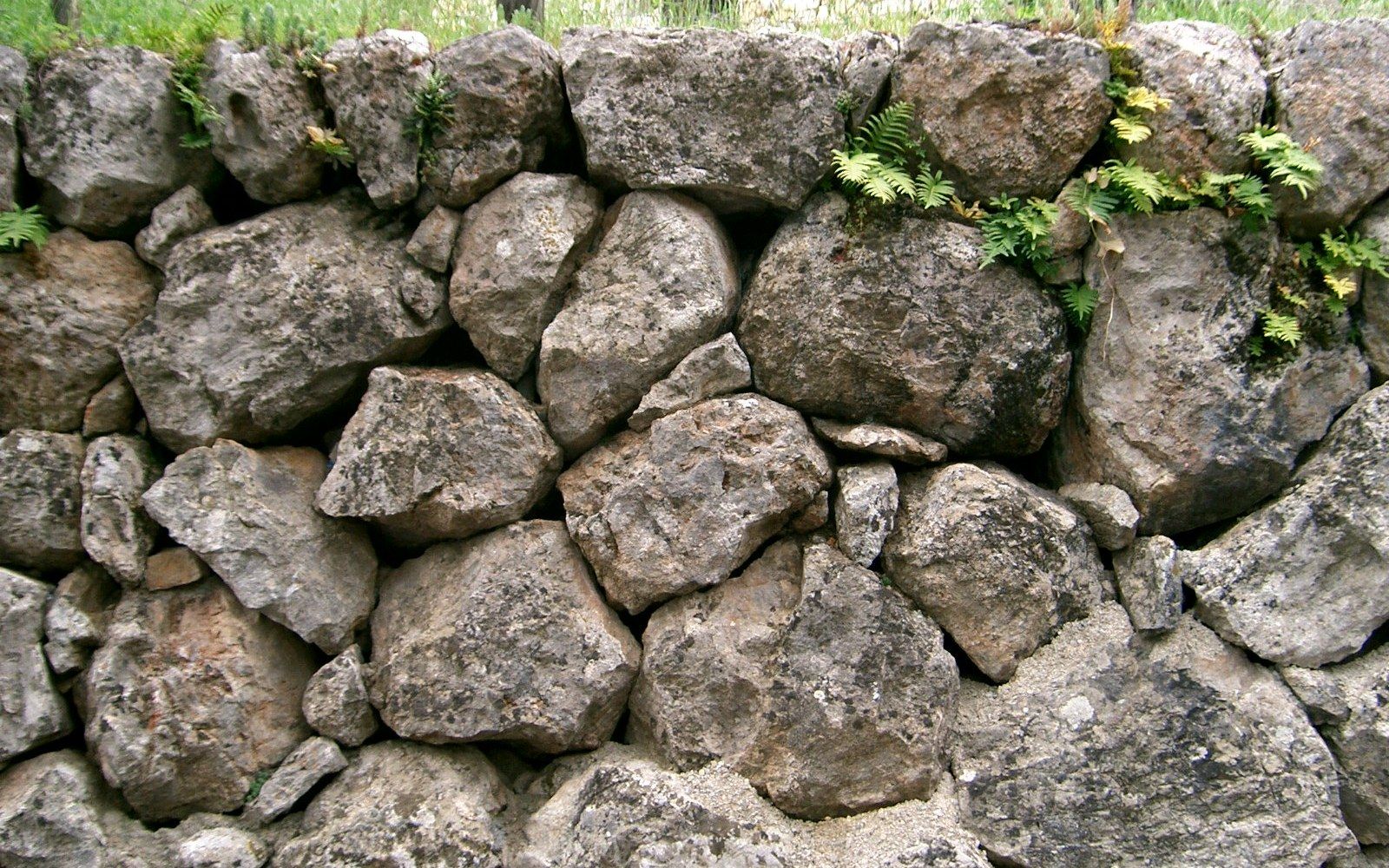
The walls are unmortared and that is not an accident. Dry-stone construction — sometimes called cyclopean in its older, heavier forms — actually performs better on a hillside than mortared masonry would. Rain percolates through the wall face rather than pooling behind it; the pressure that would push a mortared wall over simply drains away. The stones are fitted by hand and eye, larger pieces at the base, smaller fragments wedging the gaps, with a batter — a slight backward lean — that distributes the weight of the soil behind. A well-built terrace wall can stand for centuries without touching. A poorly maintained one can fail in a single wet winter.
Rain percolates through the wall face rather than pooling behind it; the pressure that would push a mortared wall over simply drains away.
The maintenance problem
Maintenance is where the system begins to unravel. Dry-stone walls are not passive structures. Tree roots open them; the freeze-thaw cycles of wet winters shift the facing stones; a single collapse, left unrepaired, sends water along the base of the wall and undermines the next section down. The repair work is not complicated — a skilled wall-builder can restack a failing section in a day — but it requires someone who knows the technique, and it requires someone who is there.
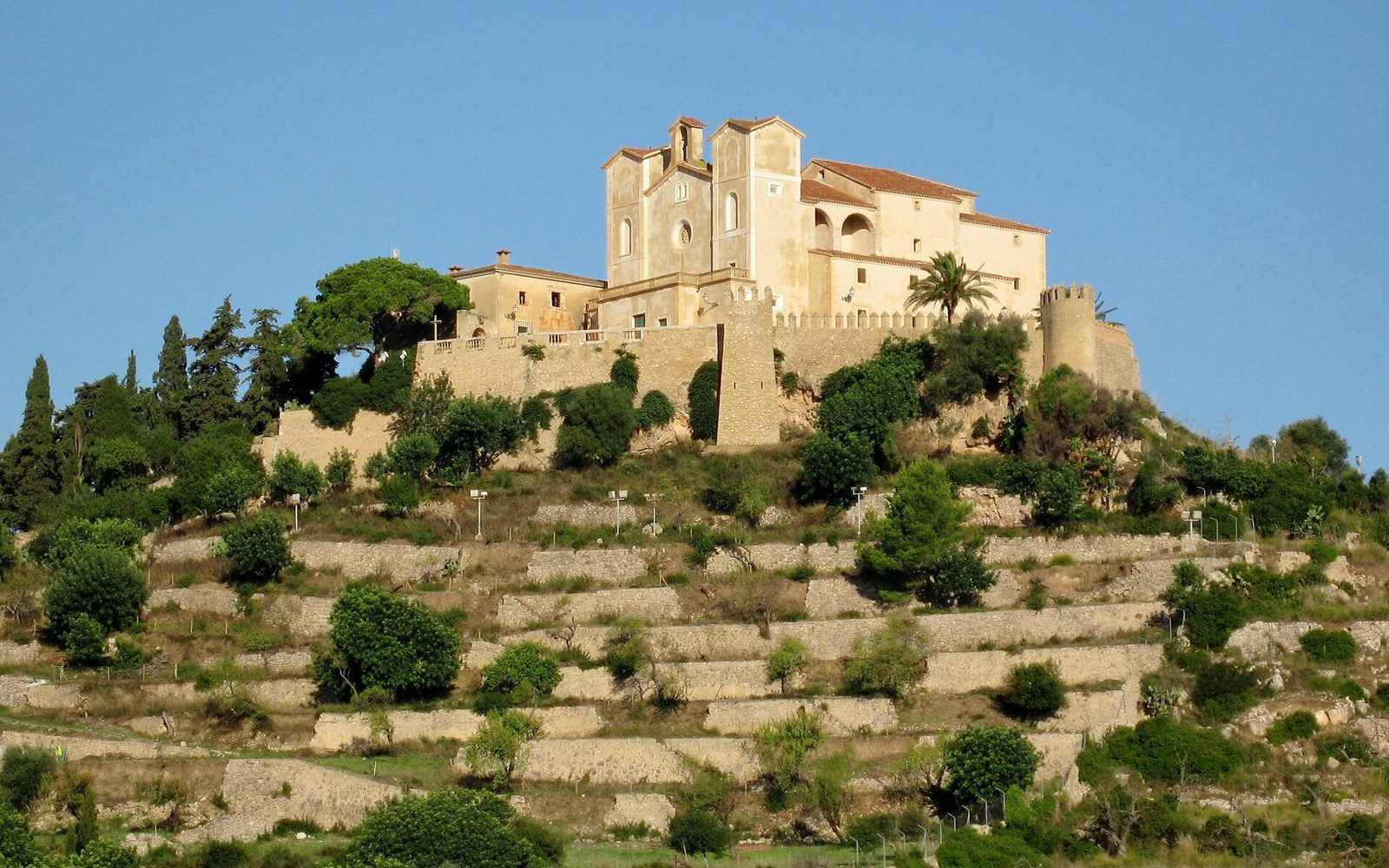
The depopulation of Mallorcan hill farming over the second half of the twentieth century left large stretches of terraced land without anyone to tend them. The crop that once made the mountain slopes worth maintaining — the olive, pressed in mills attached to the great possessions — retreated when cheaper oil arrived from the peninsula. Almonds followed a similar arc. Without an economically viable crop, there was no reason to repair a collapsed wall, and without repair, the terraces began their slow return to slope.
The irony of the UNESCO listing is that it named the terraces as outstanding at almost exactly the moment when fewer people than ever were capable of building or repairing them. The craft of dry-stone walling — pedra en sec in Catalan — is now the subject of formal transmission efforts, and the Balearic government has funded wall-repair programmes in the Serra de Tramuntana. The results are real but uneven. Walls near Valldemossa and Sóller that sit within sight of visitor routes get attention; walls on the back slopes of working farms, or on land whose ownership has become complicated by inheritance, do not.
What the walls ask for is not money alone but continuity — the same eye returning to the same section each year, adjusting a stone before it becomes a collapse. That kind of attention was once embedded in the structure of agricultural life. Reassembling it, in a landscape where farming is no longer the livelihood, is a slower problem than any restoration programme has yet addressed. The terraces are still there. The question is how many walls will be there in another generation, and who will be watching them.