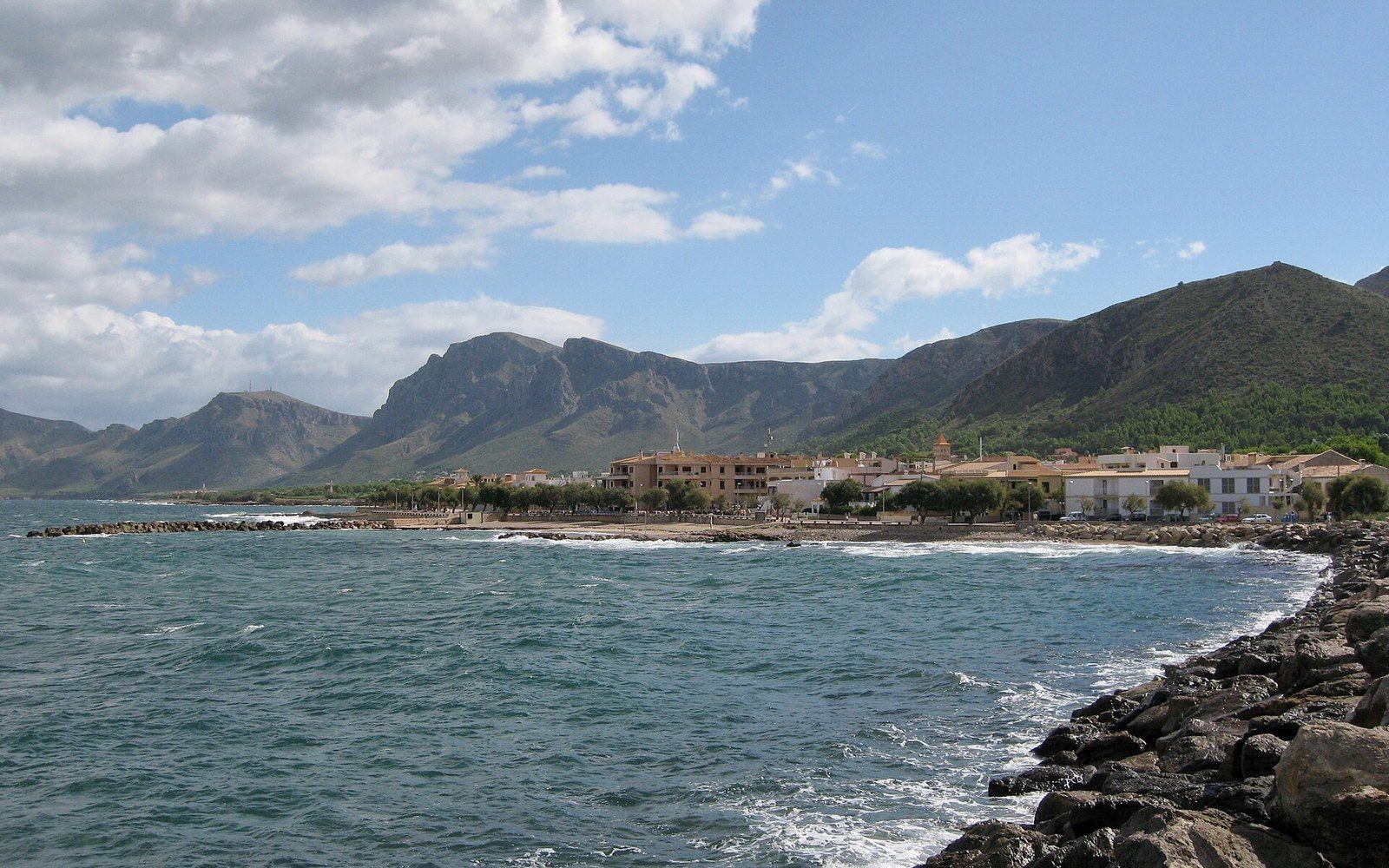
Water and waste load concentrate into the summer, so infrastructure is sized for a third of the year and idle for the rest.
When the pipes have to carry everyone
Artà sits at the quieter end of Mallorca's tourist axis, but quieter is relative. The town's permanent population of around eight thousand people swells sharply between June and September, and the coastal fringe — Colònia de Sant Pere, the road toward the Llevant natural park, the scattering of rural possessions, or country estates, converted for holiday use — absorbs a further surge that the census never captures cleanly. Water demand, sewage load and solid waste generation all peak together, in the same four months, driven by the same bodies arriving at the same time.
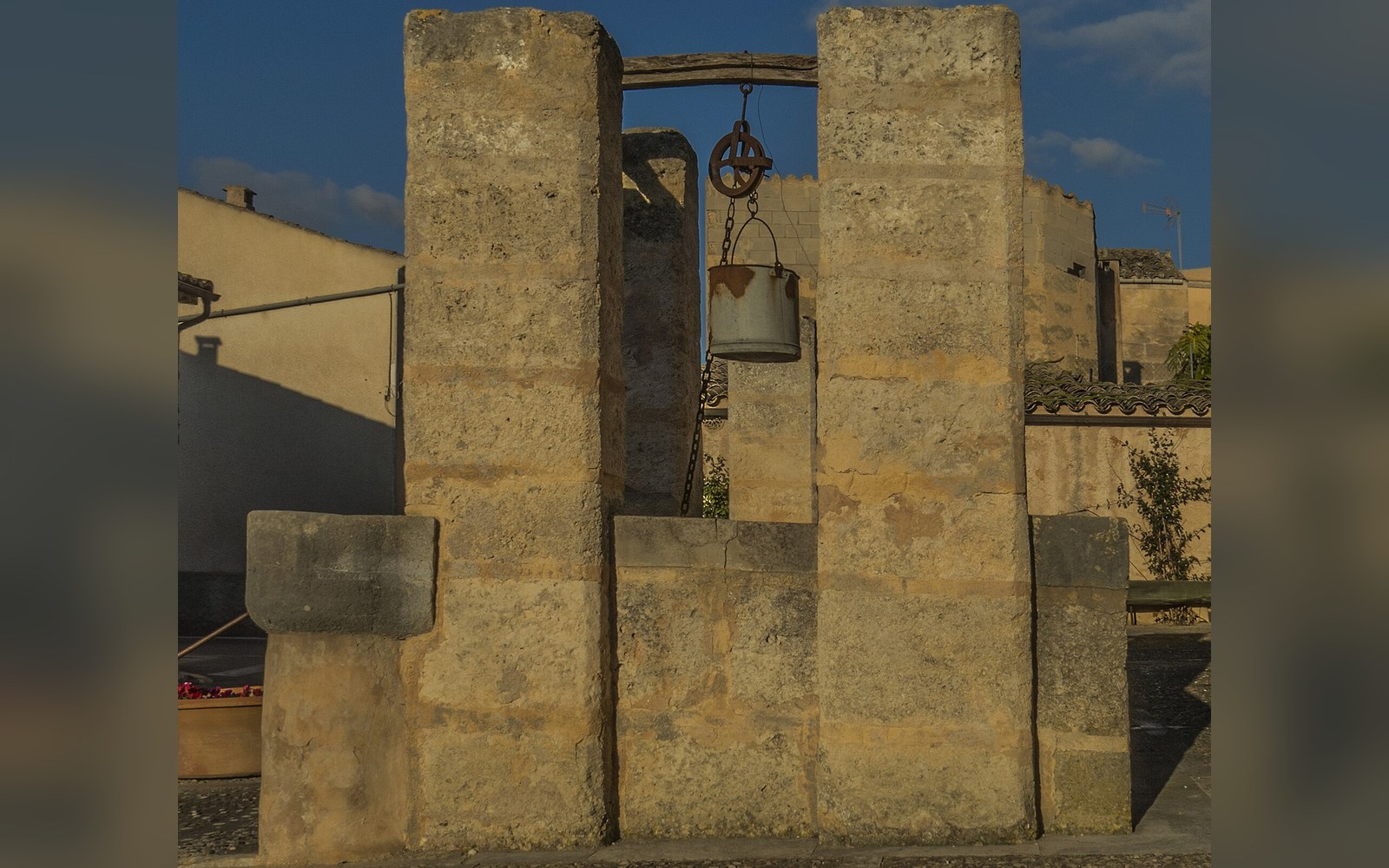
The arithmetic is not subtle. A municipality that spends eight months at baseline suddenly has to move two or three times the volume through infrastructure built to a compromise specification: large enough to cope with peak, which means it is oversized and underused for most of the year, but never quite large enough that the peak doesn't strain it. Mallorca's water managers have been running this calculation for decades, and the numbers keep getting harder. Summer temperatures are rising, which increases per-capita demand precisely when supply is most stressed.
What the island actually drinks from
The pressure is amplified by the island's geology. Mallorca has no rivers in the conventional sense — the torrents, or seasonal streambeds, run only after heavy rain and are dry the rest of the time. Fresh water comes overwhelmingly from underground: a network of aquifers, or groundwater bodies held in limestone, that recharge slowly through winter rainfall and drain quickly under summer extraction. Near the coast, heavy pumping creates a pressure imbalance that draws seawater into the rock — a process called saltwater intrusion — and once an aquifer is contaminated that way, remediation takes years and costs considerably more than prevention.
So the plant gets built to the summer figure, runs at a fraction of that figure in November, and the fixed costs are spread across twelve months of billing.
The Balearic Water Agency monitors extraction levels and has designated several coastal aquifers as overexploited, meaning that extraction is already exceeding recharge across the archipelago during peak demand periods. The problem is not unique to Mallorca — it is a defining challenge of any Mediterranean island that runs a mass tourism economy — but the seasonal spike makes it structurally harder to solve than a steady demand would be.
Infrastructure built for a third of the year
The wastewater side is just as stark. Treatment capacity in seasonal municipalities is typically engineered around peak throughput, which means that capital is tied up in plant that operates well below design capacity for the majority of the year. In practice, Mallorcan municipal utilities have little choice: European Union environmental directives set minimum standards for effluent quality regardless of season, and the fines for non-compliance fall on the municipality. So the plant gets built to the summer figure, runs at a fraction of that figure in November, and the fixed costs are spread across twelve months of billing.
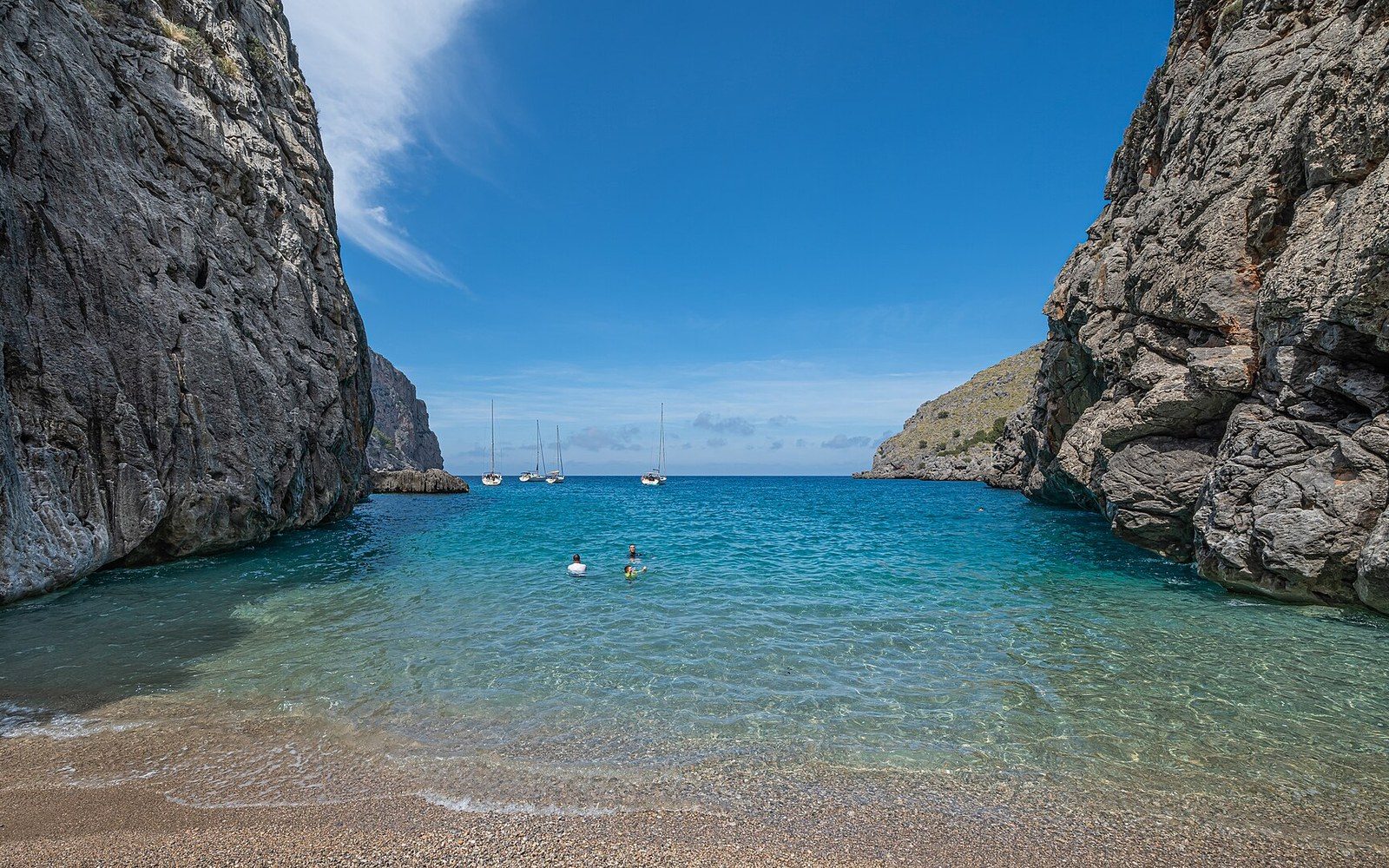
Solid waste follows the same curve. Artà's collection infrastructure — vehicles, frequency, transfer logistics — has to be calibrated to the July and August peak. Food waste from rural rentals, packaging, and the sheer volume generated by short-stay visitors who cook inefficiently and pack heavily all concentrate into a narrow window. The Balearic government's waste statistics consistently show summer spikes that dwarf the rest of the year.
The dry-stone landscape that shapes this part of Mallorca — terracing listed by UNESCO as a cultural landscape in 2011 ↗ — was itself an answer to a resource problem: how to hold soil and water on a slope that would otherwise shed both after winter rain. The logic was the same as modern water management, just worked out over centuries rather than engineering cycles. Capture what you have. Store what you can. Lose as little as possible.
The gap between peak and base
What makes the Artà situation interesting rather than simply difficult is the sharpness of the contrast. The Llevant coast's awkward access kept it less developed than the southwest, which means the infrastructure burden grew later and at a smaller scale. That lag has its advantages: the systems are younger and, in some respects, more efficient. But the seasonal asymmetry is just as pronounced. Four months carry the load that twelve should, ideally, share. The infrastructure knows it, even when the landscape looks quiet.