Ses Païsses is a talayotic Bronze Age settlement with a cyclopean enclosure wall and a central tower, sitting in the fields a short walk from the centre of Artà — a relationship between deep prehistory and a working town that is unusually close.
Stone that predates the town's name by three thousand years
The track from Artà's outskirts to Ses Païsses takes about fifteen minutes on foot. You pass almond trees and the kind of agricultural land the Mallorcan interior has always produced, and then the enclosure wall appears through the scrub oak — dark, massive, and disconcertingly intact. The site was occupied from roughly the ninth century BC into the Roman period, which means the people who built it were contemporaries of early Iron Age communities across the Mediterranean, though Mallorca's prehistoric culture followed its own trajectory almost without interference from the outside world until the Roman conquest of 123 BC.
The culture is called talayotic (from talaia, a Catalan word for watchtower), named for the tower-like stone structures that dominate its settlements. Ses Païsses is among the best-preserved talayotic sites on the island, and it carries several of the culture's most characteristic features in a single, walkable enclosure: the central talayot, or tower; a series of subsidiary structures built against and around it; and the great perimeter wall that makes the site immediately legible even to a visitor who knows nothing about it.
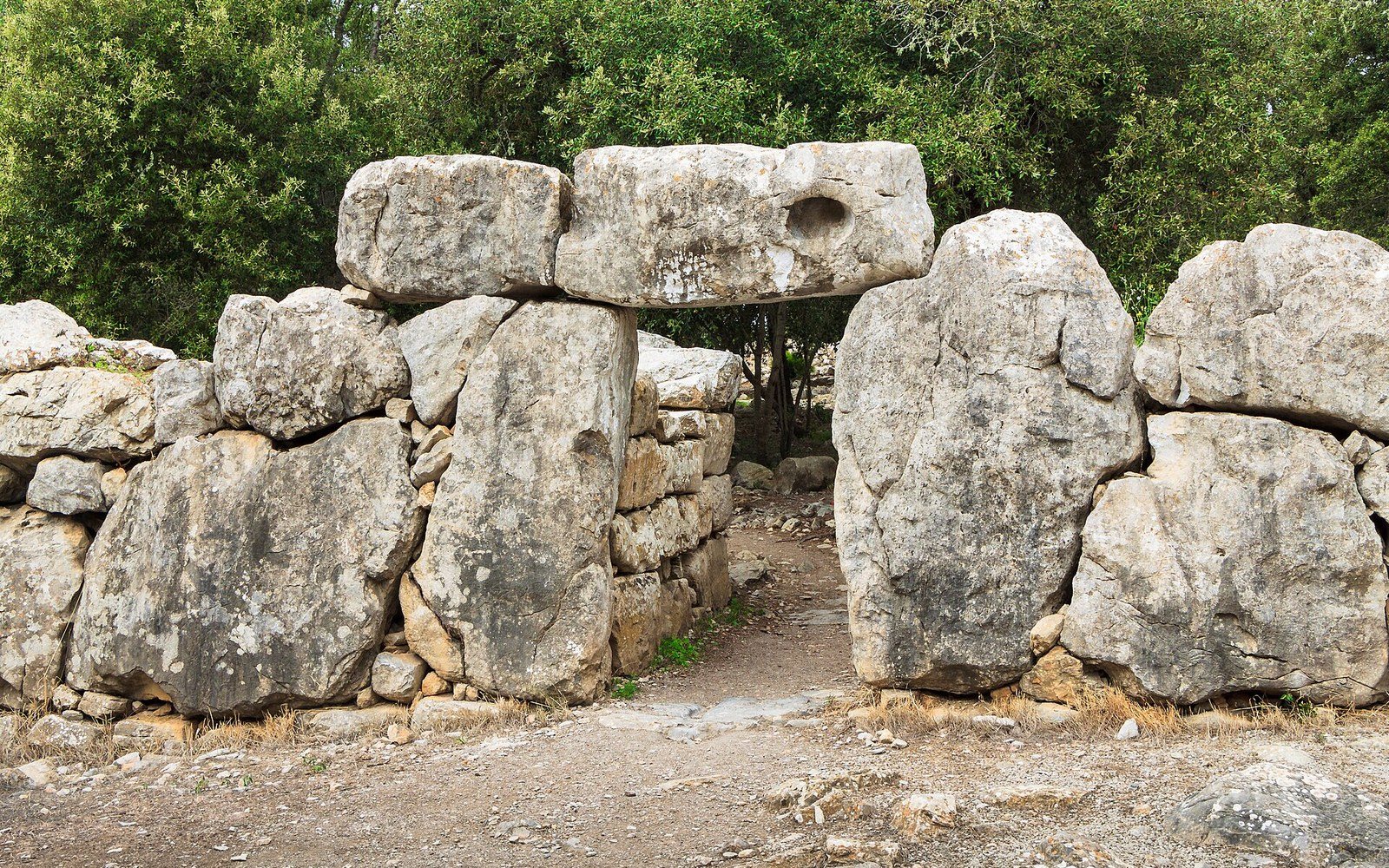
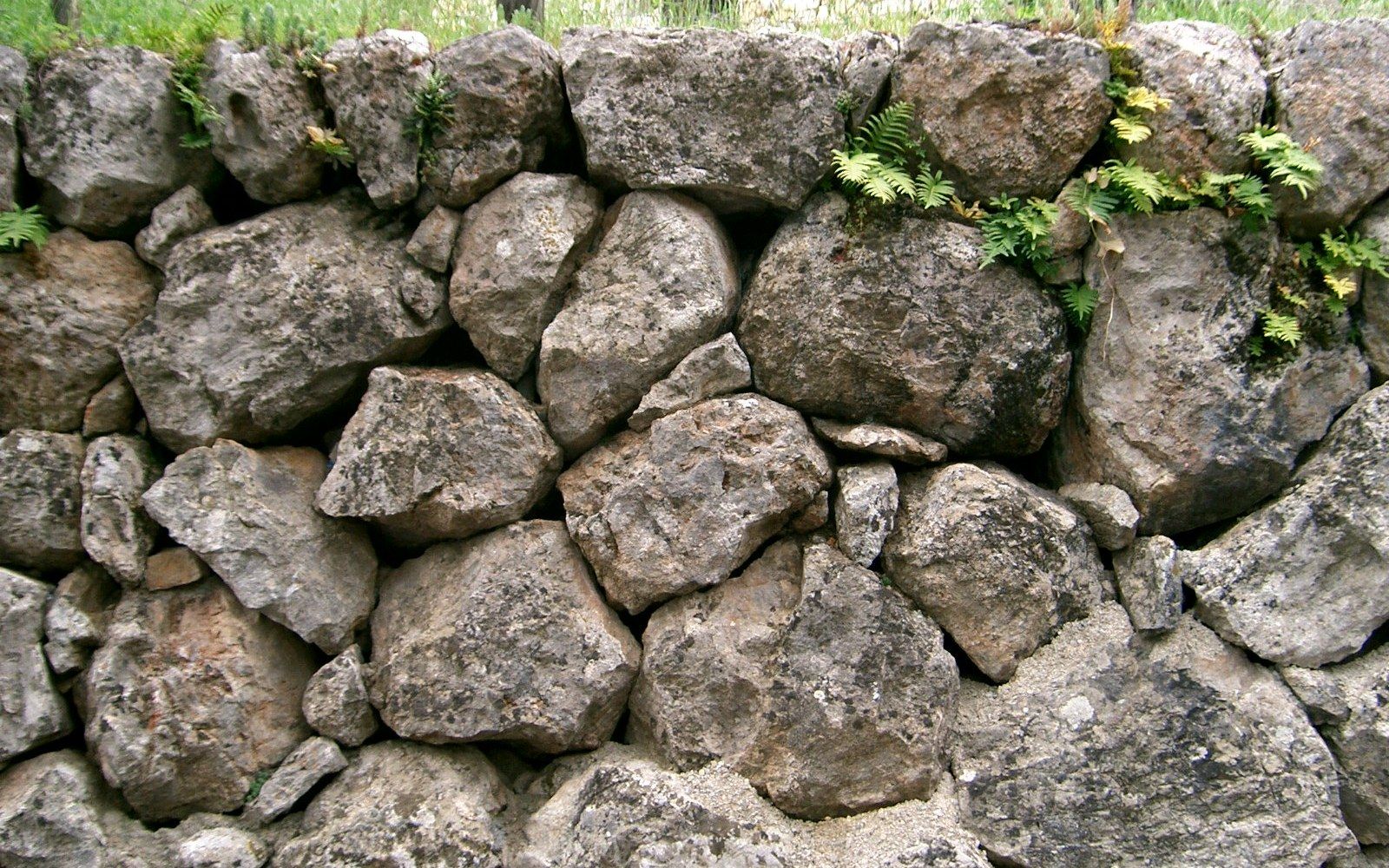
That wall deserves particular attention. It is a cyclopean construction — the term, borrowed from the ancient Greek architectural tradition, describes masonry built from enormous unshaped or barely shaped stones fitted together without mortar, the gaps filled with smaller material. The largest stones in the Ses Païsses perimeter weigh several tonnes, and the question of how a prehistoric community moved and raised them with wooden levers, earthen ramps and human effort alone remains one of the genuinely absorbing puzzles the site poses. The wall encloses an area of roughly 1.3 hectares, and three gateways break its circuit: the main entrance, on the south-east side, is a proper architectural composition — a large horizontal lintel stone spanning two upright jambs, creating an opening that is simultaneously a functional doorway and a formal statement. Standing in that entrance, you have a clear line of sight through the settlement to the tower beyond, which suggests the axis was intentional.
Standing in that entrance, you have a clear line of sight through the settlement to the tower beyond, which suggests the axis was intentional.
What the excavations found, and what the site now shows
Ses Païsses was excavated systematically in the early 1960s by an Italian archaeological team led by Giovanni Lilliu, one of the foundational figures in the study of prehistoric Balearic and Sardinian cultures. Lilliu's work at sites including Ses Païsses contributed substantially to the understanding that the Balearic talayotic and the Sardinian nuragic (the Bronze Age tower-building culture of Sardinia) are related but distinct traditions — a conclusion that continues to frame scholarly discussion of western Mediterranean prehistory. The excavations at Ses Païsses produced ceramics, animal bones, bronze objects and evidence of hearths and domestic activity inside the enclosure, establishing that this was a lived-in settlement rather than a purely ceremonial site.
The central talayot at Ses Païsses ↗ is the largest surviving element: a roughly circular tower built from the same cyclopean technique as the wall, standing to a preserved height that still conveys mass and intention. Whether such towers were primarily defensive, used for storage, served a ritual function, or combined all three remains debated. The interior of the Ses Païsses talayot was partially excavated and shows a corbelled internal chamber — stones laid in overlapping horizontal courses, each projecting slightly beyond the one below, until the space narrows and closes. The technique requires neither arch nor keystone, and it produced structures durable enough to survive more than two millennia of abandonment, agricultural use and Mallorcan weather.
Around the talayot, the excavations uncovered the ground plans of several rectangular rooms — a building form that appears later in the talayotic sequence and may reflect contact with, or imitation of, cultures where rectilinear architecture was the norm. Some of these rooms were still being used in the early centuries AD, meaning the site had a life extending well past the period that produced its most dramatic stonework. A small roofed shelter at the site displays finds from the excavations, and the ground plans of the subsidiary buildings are marked clearly enough that the settlement's internal organisation is readable without specialist knowledge.
A site inside everyday life, not behind a fence
What makes Ses Païsses unusual is not any single feature but the relationship between the site and the town it sits beside. Most major prehistoric monuments occupy ground that has been made separate from daily life — by distance, by motorway infrastructure, by the management logic of tourism. Ses Païsses has a modest entrance, it is managed quietly, and the walk to it from the centre of Artà passes through working agricultural land that has been farmed continuously since the talayotic period ended. The possessió — the traditional Mallorcan landed estate — of Ses Païsses gave the site its name, which simply means "the farmsteads" in Catalan, and the land around remains cultivated. The scrub oak (Quercus ilex) that shades parts of the enclosure is the same species that covered much of Mallorca before large-scale clearance for agriculture; inside the walls, it has been left, which gives the interior a quality of mild wildness that sets it apart from sites maintained as open-air museums.
The talayotic culture of the Balearic Islands is the subject of ongoing scholarly interest, partly because the island context preserved it from the continental Bronze Age disruptions that ended comparable cultures elsewhere, and partly because the quality of construction at sites like Ses Païsses raises questions about social organisation — the coordination of labour, the accumulation of surplus, the concentration of authority — that a pile of stones cannot fully answer. What the stones can do is demonstrate that the people who raised them understood load, span and compression with a confidence that did not require written engineering; the main gateway lintel has not moved in three thousand years.
Key
- Mallorca
- Mediterranean
- This piece
- ●Ses Païsses — the talayotic settlement, a fifteen-minute walk from the town
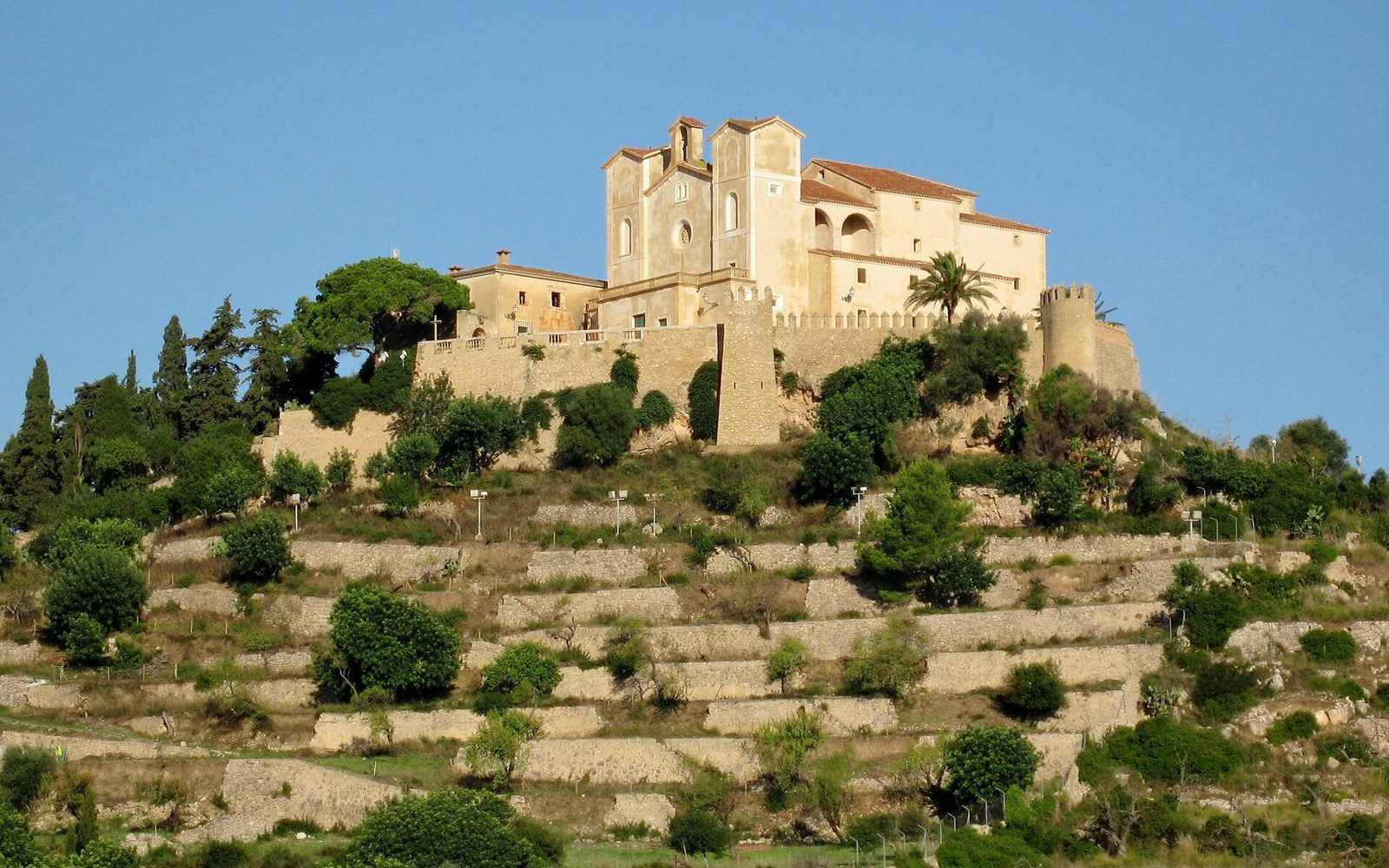
Artà is a town with a sanctuary on the hill above it, caves in the sea cliff to its east, and a natural park along the coast — but Ses Païsses is the oldest layer of the place, and standing inside the cyclopean wall with the tower at the centre of the enclosure, it is the layer that presses most directly on the imagination.