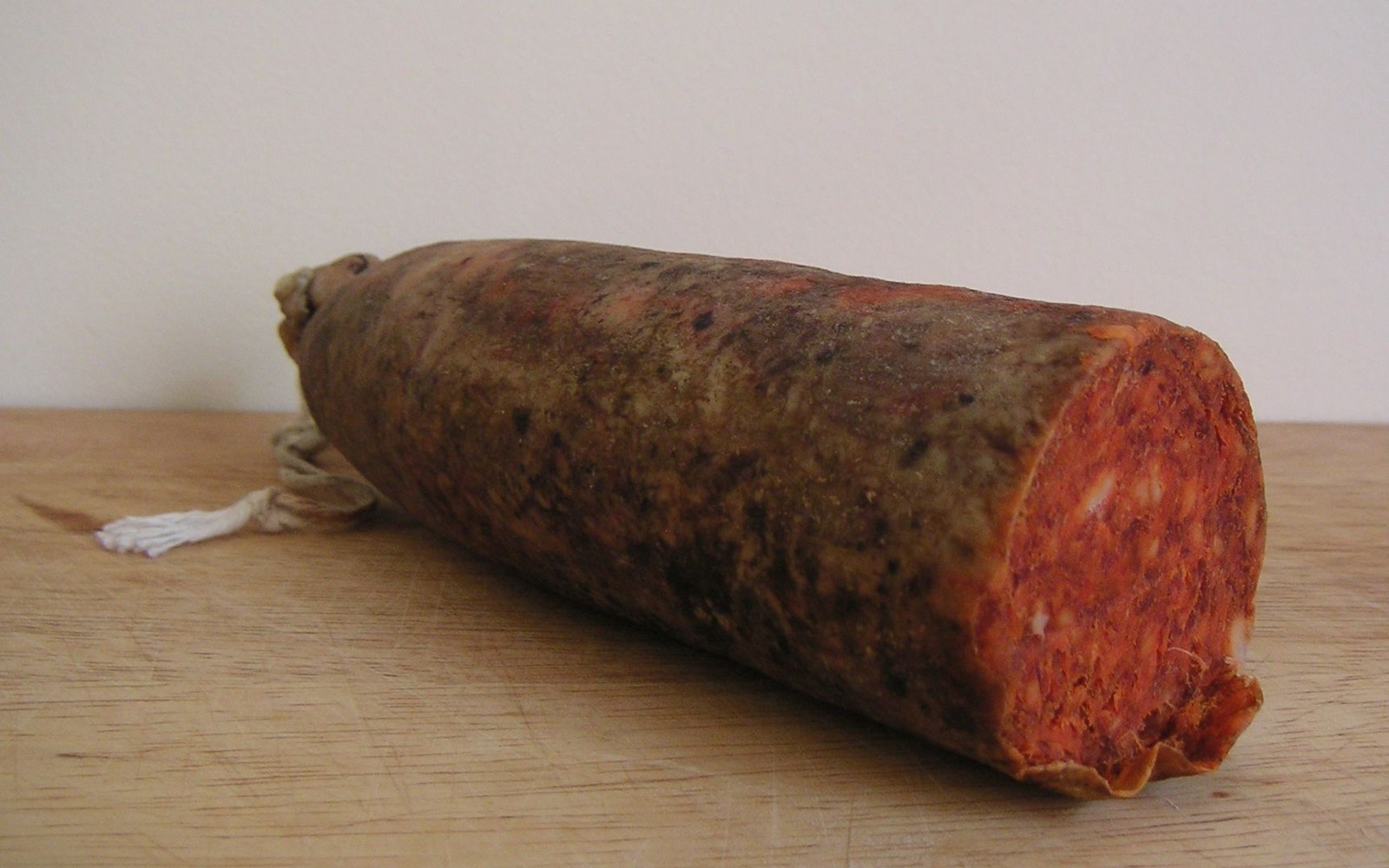
Sobrassada de Mallorca carries a protected geographical indication, which fixes what may be in it and where it may be made.
What the protection actually means
Sobrassada (so-bra-SA-da) is a spreadable cured sausage made from pork, sweet paprika, salt and black pepper. The recipe is simple enough to state in a sentence, but the name is not available to anyone who feels like using it: sobrassada de Mallorca carries a protected geographical indication ↗ registered with the European Union, which fixes the ingredients, the production process, and the island where the whole thing must happen.
The protected geographical indication — known by the initials IGP in Spanish and Catalan — does two things at once. It stops producers elsewhere from selling a lookalike under the same name, and it locks in a specification that the island's makers must also follow. Within that specification there are two tiers. Sobrassada de Mallorca is the broader category, made from pigs reared anywhere but processed on the island. Sobrassada de Mallorca de Porc Negre is the tighter one: the pigs must be of the native black breed, porc negre, raised on Mallorca itself. The black-pig version commands a higher price and carries a second mark of distinction, but both are legally sobrassada de Mallorca and neither can be made anywhere else.
The specification sets out what may go into the sausage and in what proportions. Lean pork and fat, ground together; sweet red paprika — which gives the paste its colour and much of its depth; salt; black pepper; and nothing else. No fillers, no artificial preservatives. The casing may be natural gut or the pig's stomach, and the curing time varies with the diameter of the sausage: a slender longanissa may cure in a matter of weeks, while a thick camot or a sausage packed into the whole stomach — called a bufeta — can hang for months. The finished product is soft enough to spread on bread without heating, which is the point.
The specification sets out what may go into the sausage and in what proportions.
Where it comes from and how it travels
The technique almost certainly arrived in the Mediterranean before the introduction of paprika from the Americas in the sixteenth century, though the paprika is what makes the modern product recognisable. Earlier versions used other spices for colour and preservation; the adoption of pimentón (dried ground pepper) transformed the sausage and fixed the formula that is now legally protected. The Mallorcan version followed the pattern of the island's possessions — the large farming estates known as possessions — where autumn slaughter and long curing were part of the agricultural year.
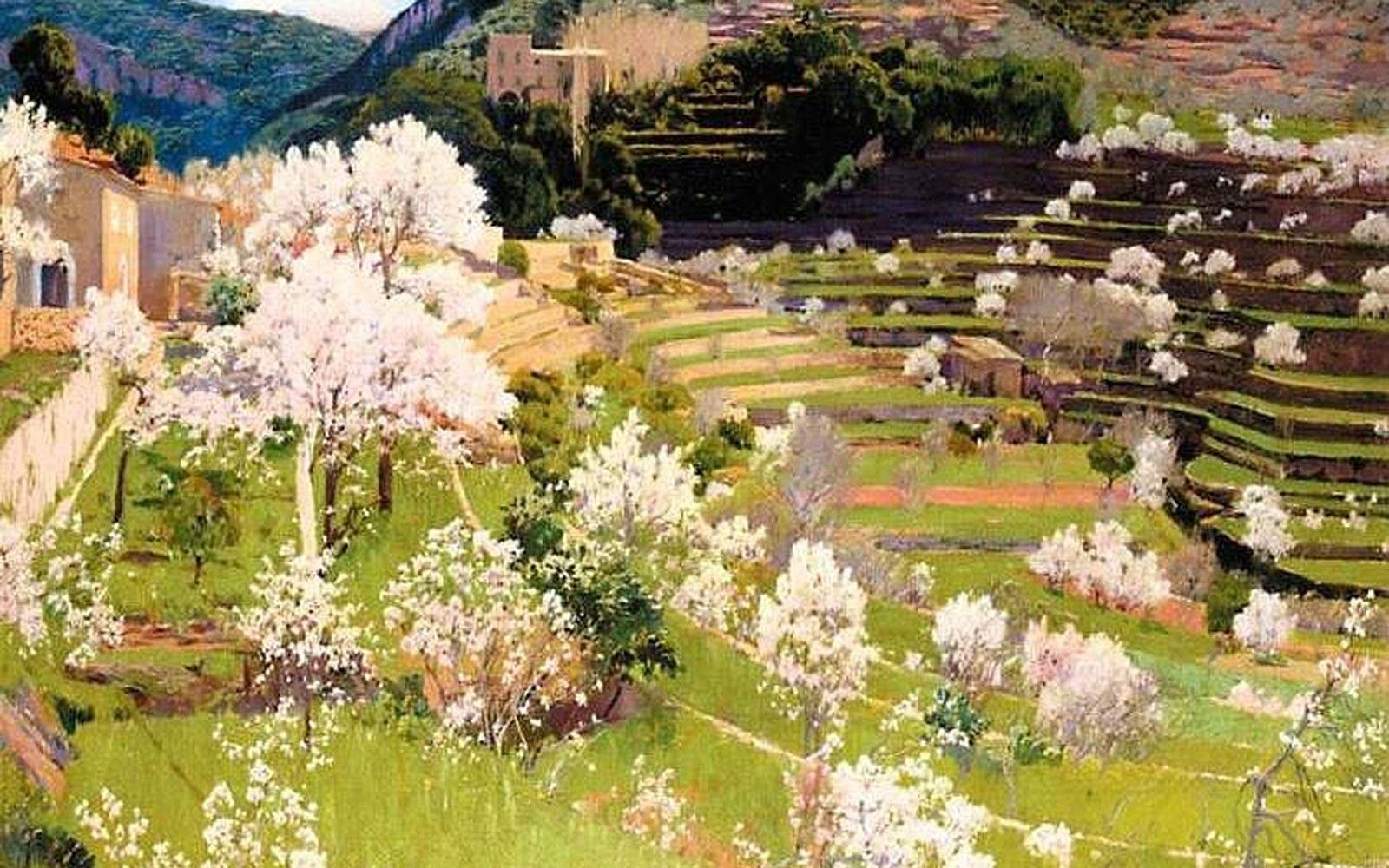
Artà and the Llevant sit within the production zone because the whole island falls within it, and the town's market culture has always included the product. The surrounding countryside — its dry-stone terraces, its almond groves, its woodland pigs on the possessions — fed the tradition. The porc negre, the Mallorcan black pig, is a breed adapted to the island's landscape and to foraging on its scrubland; its meat has a higher fat content than industrial breeds, which is part of what makes the black-pig sobrassada richer and more intensely flavoured.
The specification in practice
The IGP is administered through a regulatory council — the Consell Regulador — which certifies producers and maintains the register of approved operators. Sobrassada de Mallorca's IGP was registered in the Official Journal of the European Union in 1996 ↗, making it one of the earlier Spanish products to receive that status. Certified products carry a numbered back-label that traces them to a registered producer; buying one without it means the name is being used loosely, which is exactly what the regulation exists to prevent.
The sausage travels well, partly because it is already cured and does not need refrigeration in the short term, partly because the fat content stabilises it. That portability is also the source of the commercial risk: a recognisable name on a spreadable pork product is too useful for producers elsewhere not to want to borrow it. The IGP closes that door. It cannot enforce quality above the specification's floor, but it can enforce geography, and geography — the island, the climate, the breed, the breed's feed — is the argument the regulation is built around. Whether that argument produces a noticeably different product is something a side-by-side tasting answers faster than any official document.